Biohazard cleaning explained
Biohazard Cleanup in Charleston: Meaning and Coverage
Biohazard cleanup safely removes and disinfects blood, tissue, bodily fluids and hazardous materials, then disposes of them following crime, death, accidents, hoarding or a sewage backup.
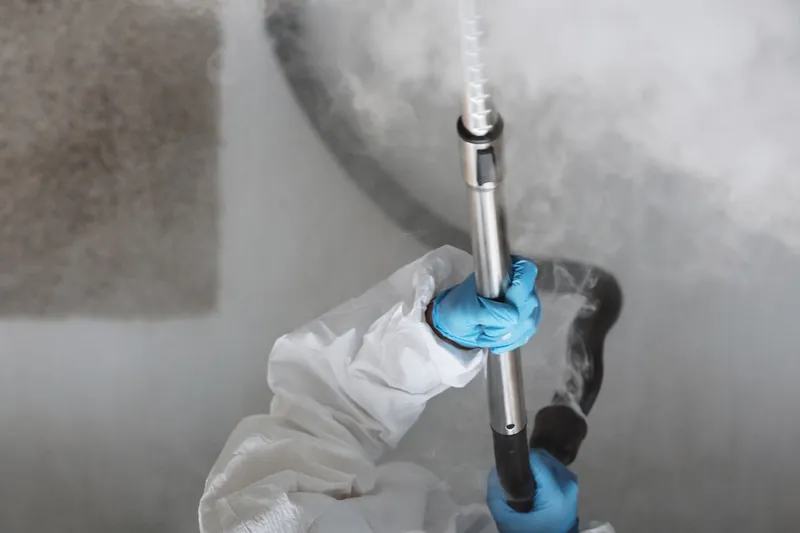
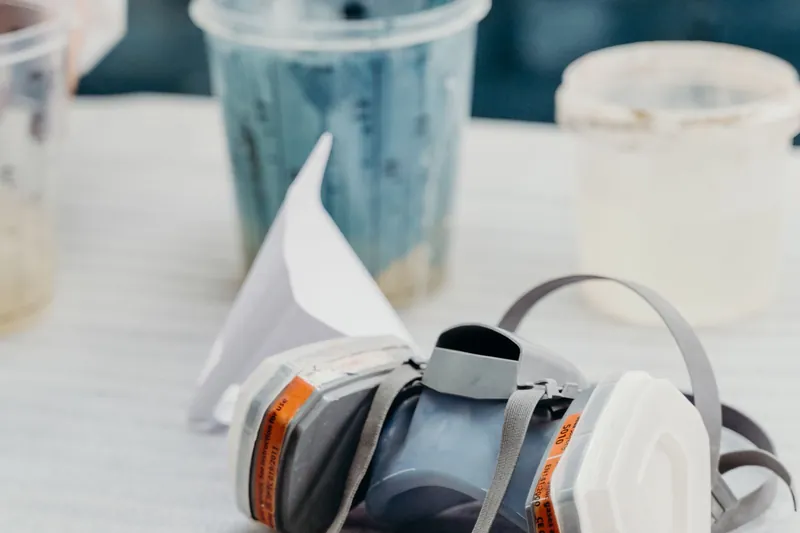
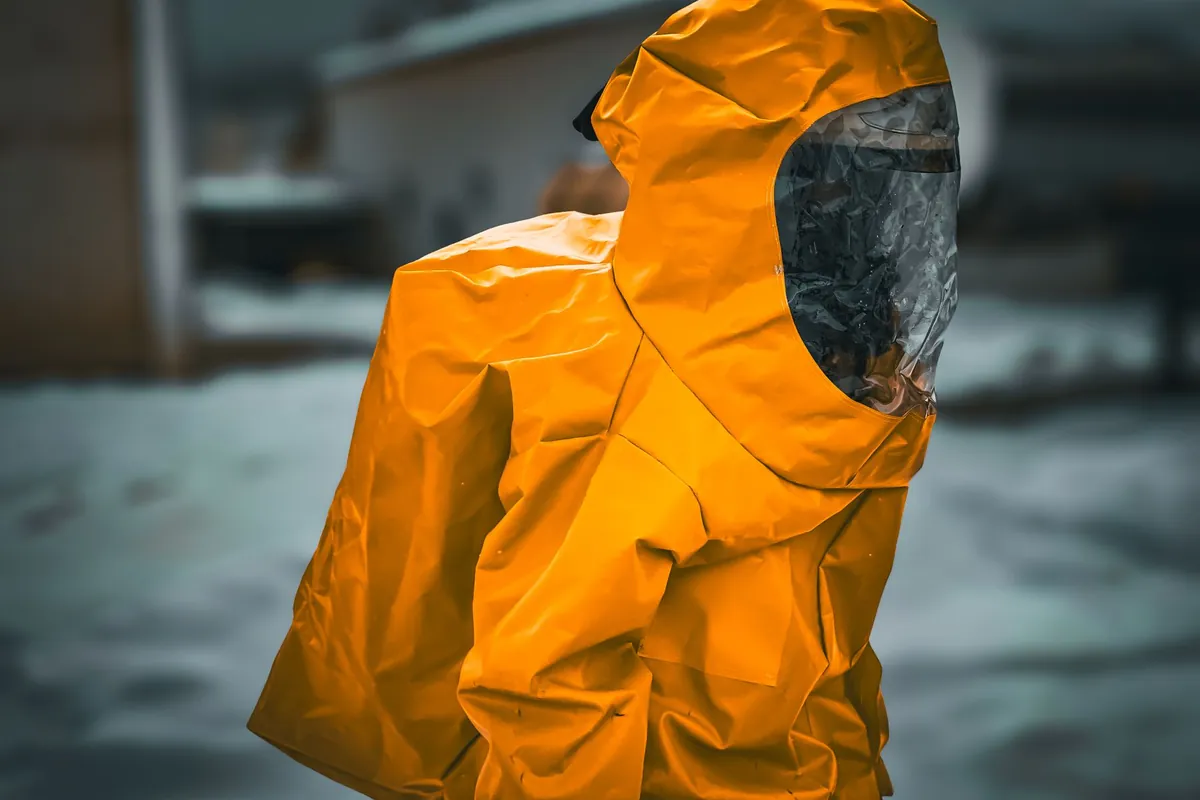
It is also called bio hazard cleaning, biohazard remediation, trauma cleanup or bio cleanup. Deep cleaning alone is not professional biohazard cleanup. Technicians wear personal protective equipment, track where contamination traveled, discard porous items beyond disinfection and treat all affected areas until the property returns to a livable condition.
Biological matter that may cause illness is considered a biohazard. The usual examples in homes or businesses are:
- Dried and fresh blood or bodily fluids
- Decomposition after an unattended death
- Vomit, urine, plus human and animal waste
- Untreated sewage and Category 3 black water
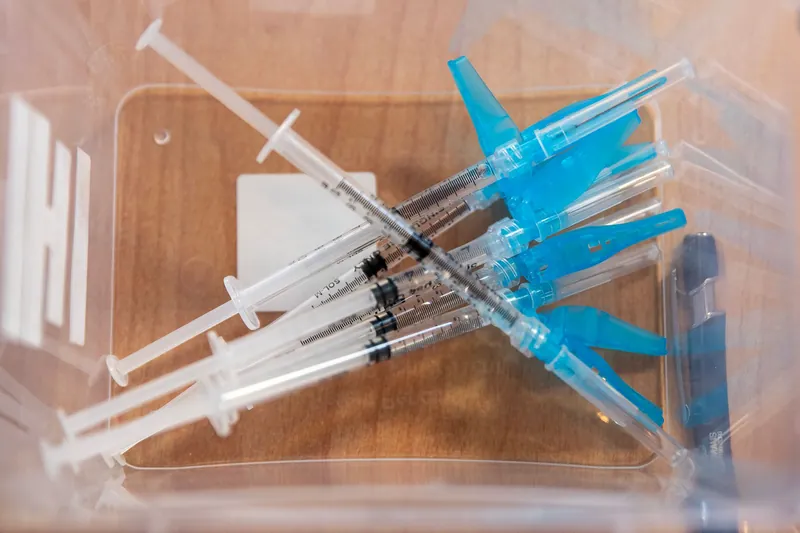
- Needles, sharps and medical waste
- Meth, fentanyl and drug lab residue